
 913-383-3100
Call Your Service Tech
From A.B. May Call Your Service Tech
From A.B. May
From A.B. May Call Your Service Tech
From A.B. May
How to Winterize a Garden Hose
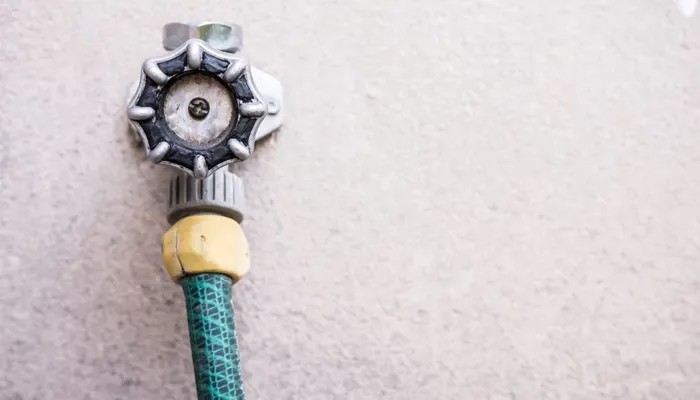
Winterizing outdoor plumbing sounds like one of those “I’ll do it later” chores, until the first real Kansas City freeze hits and a simple hose connection turns into a costly plumbing repair. The reason this task matters is simple: frozen water expands. When water gets trapped inside a garden hose, a hose bib, or the short section of pipe behind the exterior wall, it can crack fittings, split pipes, and create leaks you won’t notice until the weather warms up. A cracked hose is annoying, but a damaged spigot or a burst pipe inside the wall can lead to major repairs.
Tools/Supplies You’ll Need
You don’t need special equipment to get this done, which makes it one of the easiest ways to prevent frozen outdoor pipes. Gather a few basic supplies before you start:
- Bucket
- Towels or rags
- Hose bib cover or insulation
Step-by-Step: How to Winterize a Garden Hose and Hose Bib
If you want to winterize outdoor faucet connections the right way, the key is removing trapped water and reducing freeze exposure. Start by shutting off the interior water supply to the outdoor faucet if your home has one. Many homes have a dedicated shutoff valve inside the basement, utility room, or crawl space. Turning it off keeps fresh water from feeding the exterior line once temperatures drop.
Next, disconnect the garden hose completely. Don’t leave the hose attached for “just one more week.” Even a small amount of water trapped at the connection point can freeze and create enough pressure to damage the spigot or the pipe behind it. Drain the hose thoroughly. Walk it out straight across the yard or driveway so water can move toward the open end. Lift one end and slowly work any trapped water out of low spots. If the hose has a nozzle or sprayer attached, remove it so water can drain freely.
After the hose drains, drain the spigot and winterize the hose bib parts. Open the outdoor faucet to let any remaining water flow out. If your shutoff valve has a bleeder valve inside the home, open it briefly to release pressure and drain the line more completely. This step makes a big difference during deep freezes. Store the hose in a protected place. The best option is indoors, such as a garage, basement, or shed that stays above freezing. If indoor storage isn’t possible, coil it neatly and keep it off the ground in the most sheltered spot available.
Finish by installing an insulating hose bib cover. This cover helps block wind and cold air from reaching the metal connection point. It doesn’t replace proper draining, but it adds an extra layer of protection that can prevent freezing during harsh conditions. Finally, spot-check for slow drips. After you drain the line and shut it off, watch the outdoor faucet for a minute or two. A slow drip can cause ice buildup and increase the risk of freezing, even when you did everything else correctly.
Call your service tech from A.B. May!
Troubleshooting Common Winterizing Issues
Some outdoor faucet setups aren’t perfect, but you can still protect them. If you don’t have an interior shutoff valve, disconnecting the hose and draining the spigot becomes even more important. A cover still helps because it reduces cold exposure at the faucet body. You can also let the spigot drip slightly during extreme cold, but treat that as a short-term strategy rather than a permanent fix.
If the hose connection feels stuck, don’t force it with excessive pressure. Try gently tightening it a tiny amount first, then loosening it again. You can use a towel for grip or apply lubricant carefully if corrosion is visible. If the connection still won’t move, stop before you strip threads or crack the faucet.
If the spigot drips after shutoff, don’t ignore it. A dripping faucet may indicate a worn washer, a failing valve stem, or internal damage caused by previous freezing. Even minor leaks can worsen quickly in winter and may lead to hidden pipe damage. If you suspect a freeze already started, look for warning signs like no water flow outside, bulging pipe sections in exposed areas, or new water stains inside the home near exterior walls. Shut off the water supply if you see a leak, then call for help before it becomes a burst line.
Prevention Tips to Avoid Cold-Weather Plumbing Problems
The best way to stay ahead of winter plumbing issues is to handle outdoor winterization early and keep it consistent all season. Always winterize your outdoor system before the first hard freeze. Make sure that you remove hoses after each use in freezing temperatures. Repair small drips early to prevent ice buildup. For added protection, keep hose bib covers installed all winter. Know the location of your main water shutoff in case of an emergency.
When to Call a Pro for Outdoor Plumbing Help
It’s easy to manage basic hose winterization, but some situations need professional service. Call a plumber if the outdoor faucet keeps leaking after shutoff, even when you’ve disconnected the hose and drained the line. You should also call if you notice signs of freezing or water damage inside the home, since that often indicates pipe trouble behind the wall.
Cracked spigots, damaged threads, and leaks inside the wall need repair quickly to avoid bigger damage. Many homeowners also choose professional help when they want an interior shutoff installed, need a frost-free hose bib upgrade, or want to replace an old spigot before it fails.
Protect Your Hose Bib and Pipes Before Winter Damage Starts
Outdoor winterization is quick, but it can prevent some of the most frustrating winter plumbing emergencies. Disconnecting and draining the hose, draining the faucet, adding a hose bib cover, and checking for leaks all help prevent frozen outdoor pipes and avoid expensive repairs later. If you want peace of mind before Kansas City temperatures drop, A.B. May Heating, A/C, Plumbing & Electrical can help you winterize the right way. With over 65 years of experience in the Kansas City area, we know how to protect your outdoor plumbing.
Contact A.B. May Heating, A/C, Plumbing & Electrical today for trusted plumbing services in Kansas City or the surrounding areas.
Our Promotions
Affordable Financing

Featured Reading
Request Service
Fill out the form below, and we’ll contact you shortly to schedule your home service appointment.