
 913-383-3100
Call Your Service Tech
From A.B. May Call Your Service Tech
From A.B. May
From A.B. May Call Your Service Tech
From A.B. May
Why is My Garage Fridge Not Working?
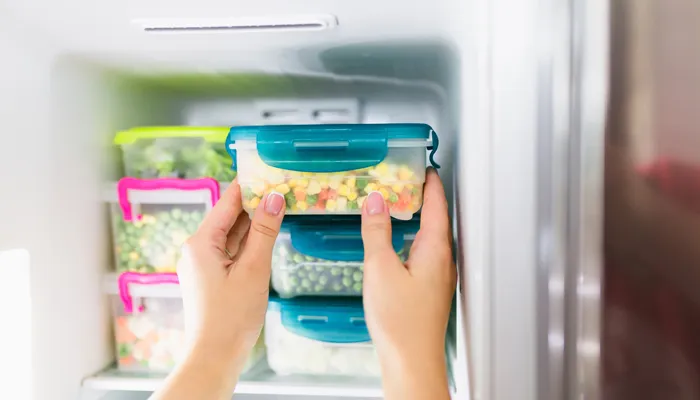
Is your garage fridge not working? It may be having problems due to the extreme cold. If you have a combination fridge/freezer out in the garage, your freezer may have stopped working completely. The good news is that your fridge may not be broken. When temperatures dip well below freezing, garage refrigerators may stop working because they aren’t designed to work in the cold.
WHY YOUR GARAGE FREEZER DOESN’T WORK
Refrigerators work by comparing the thermostat temperature setting inside the fridge to the environment around them. They are designed for room temperatures, so a very cold garage may keep them from working well.
For example, if the thermostat is set to 36 degrees and the garage temperature gets down to 30 degrees, your refrigerator may think it’s already reached the proper level of refrigeration and shut off, leaving you with thawed items in your freezer. Many times, freezers do not have temperature gauges, so they end up being the same temperature as the fridge, which allows your frozen foods to thaw. When your garage temperature returns to normal, the fridge compressor will turn on, and your freezer will work again.
For a short-term solution, it’s best to turn the thermostat in your refrigerator all the way down so it doesn’t shut off. This will help keep items in your freezer from thawing out. However, the items in your fridge may freeze, too. Don’t forget to return the thermostat to its normal setting once your garage warms up. Another option is to try to move frozen foods to an indoor freezer until your garage warms up a bit.

Our Promotions
Affordable Financing

Featured Reading
Request Service
Fill out the form below, and we’ll contact you shortly to schedule your home service appointment.